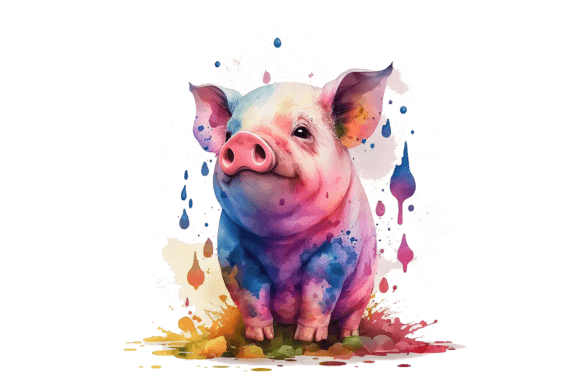
The Rustic Charm of Pig Farm Animal in Modern Design
There is something undeniably grounding about imagery that connects us to the countryside, and in the design world, few motifs offer the warmth and approachability of a farm animal pig. When you combine that subject matter with the fluidity of watercolor, you get a design asset that transcends simple illustration. The "Pig Farm Animal" aesthetic, particularly when captured in a watercolor sublimation illustration, offers a specific visual texture that modern brands and creators are constantly seeking. It isn't just a picture of a pig; it is a stylistic statement that balances organic imperfection with professional polish.
Visual Characteristics and the "Cute Farm" Aesthetic
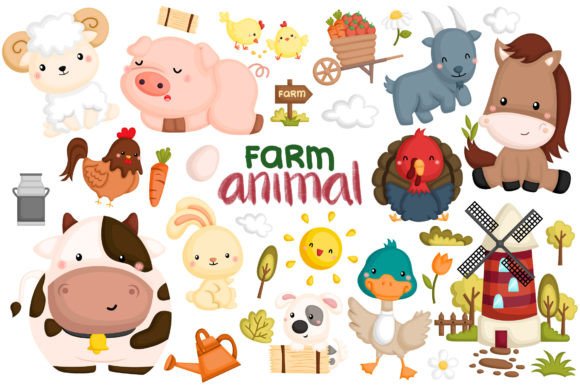
The core appeal of a cute farm piggy watercolor illustration lies in its ability to be simultaneously professional and playful. Unlike flat vector graphics, watercolor textures introduce depth, bleed, and color variance that mimic traditional art materials. This specific style usually features soft edges and a blend of pinks, greys, and earth tones that evoke a sense of comfort. For designers, this aesthetic is a bridge between the raw, messy feeling of nature and the controlled environment of digital branding. It suggests that a brand is creative, approachable, and authentic.
When we look at the "Pig Farm Animal" style, we aren't just looking at anatomy; we are looking at personality. These illustrations often exaggerate features to heighten the "cute" factor—think larger ears, rounder snouts, and softer eyes. This visual language is incredibly effective for targeting specific demographics. If your audience includes young families, eco-conscious consumers, or hobbyists, this style acts as an immediate visual cue that your content is safe, friendly, and wholesome. It removes the sterile barrier that often exists between a corporate brand and its customers.
Strategic Applications for Creators and Entrepreneurs
Understanding where to deploy such a specific design asset is key to maximizing its value. Because these files are provided as PNGs optimized for sublimation and paper crafts, they are incredibly versatile for both digital and physical products. For the entrepreneur, this asset is not limited to just one use case. Here is how different professionals can leverage this style:
- Small Business Owners & Packaging: If you sell artisanal goods, homemade soaps, or farm-to-table produce, a watercolor pig illustration adds a layer of perceived value to your packaging. It suggests that the product inside is crafted with care, much like the illustration itself.
- Content Creators & Bloggers: Use these illustrations as background elements or spot graphics in blog headers. They break up large blocks of text and make the reading experience more enjoyable without distracting from the written content.
- Print-on-Demand & Sublimation: The nature of sublimation design requires high-quality, transparent background files. A cute farm piggy design is perfect for merchandise like mugs, tote bags, and t-shirts, particularly for agricultural businesses or children’s apparel lines.
- Digital Design & Social Media: In the fast-scrolling environment of Instagram or Pinterest, watercolor textures stop the thumb. They offer a handmade feel that contrasts sharply with the algorithmic perfection of most digital content.
Influence on Brand Identity and Audience Engagement
Choosing a visual theme like the Pig Farm Animal aesthetic does more than just decorate a page; it fundamentally shapes brand perception. In modern typography and branding, consistency is king. When you pair a watercolor illustration with a complementary typeface—perhaps a handwritten font for headers or a clean sans serif font for body text—you create a cohesive brand identity. The illustration sets the tone (warmth, humor, nature), while the typography reinforces the structure.
This combination influences how your audience engages with your material. A playful illustration can make dense information feel less intimidating. For example, if you are a financial planner targeting agricultural businesses, using a sophisticated version of farm imagery softens the dry nature of the subject matter. It humanizes the brand. Conversely, for a children’s book publisher or a lifestyle blogger, this imagery reinforces the narrative voice. It tells the reader, "We are in this together, and this space is creative and relaxed."
Practical Guidance for Design Implementation
Integrating a premium font or illustration requires a bit of strategy to ensure it elevates rather than clutters your design. Here are some practical steps for working with assets like the cute farm piggy watercolor files:
- Evaluate the Background: Ensure the PNG file has a truly transparent background or a background that matches your project's color palette. Watercolor art often has faint "halos" or bleed marks; check these at 100% zoom to ensure they don't look like printing errors on your final product.
- Test Your Font Pairings: The organic nature of watercolor pairs exceptionally well with structured typography. Try pairing a whimsical pig illustration with a bold serif font or a geometric display font. The contrast between the organic art and the structured type creates a dynamic visual hierarchy.
- Color Harmony: Pig illustrations usually feature pinks and greys. Pull these exact hex codes from the image to use in your text or background accents. This creates a professional, cohesive look that shows attention to detail.
- Scale and Composition: Don't be afraid to let the illustration bleed off the edge of the canvas, especially in editorial design or packaging design. This makes the design feel expansive and modern.
Beyond the File: Building a Creative Ecosystem
The true power of a design asset like the Pig Farm Animal illustration is realized when it becomes part of a larger creative ecosystem. If you love animals and nature, this single file can serve as the cornerstone for a seasonal campaign, a product line, or a rebranding effort. It is a versatile tool that bridges the gap between digital design and physical crafting.
For the hobbyist, it is a chance to create professional-quality gifts and home decor without needing a degree in fine arts. For the marketer, it is a way to tap into the emotional resonance of nature and nostalgia. Ultimately, whether you are designing a logo, creating social media graphics, or printing a t-shirt, the goal is to connect with your viewer. A well-executed, charming watercolor pig does exactly that—it invites the viewer in, makes them smile, and creates a memorable visual imprint that stands out in a crowded market.